
Where the Gir Comes From
From Saurashtra's Gir hills to Kishangarh's farms — and on to Brazil's pastures.
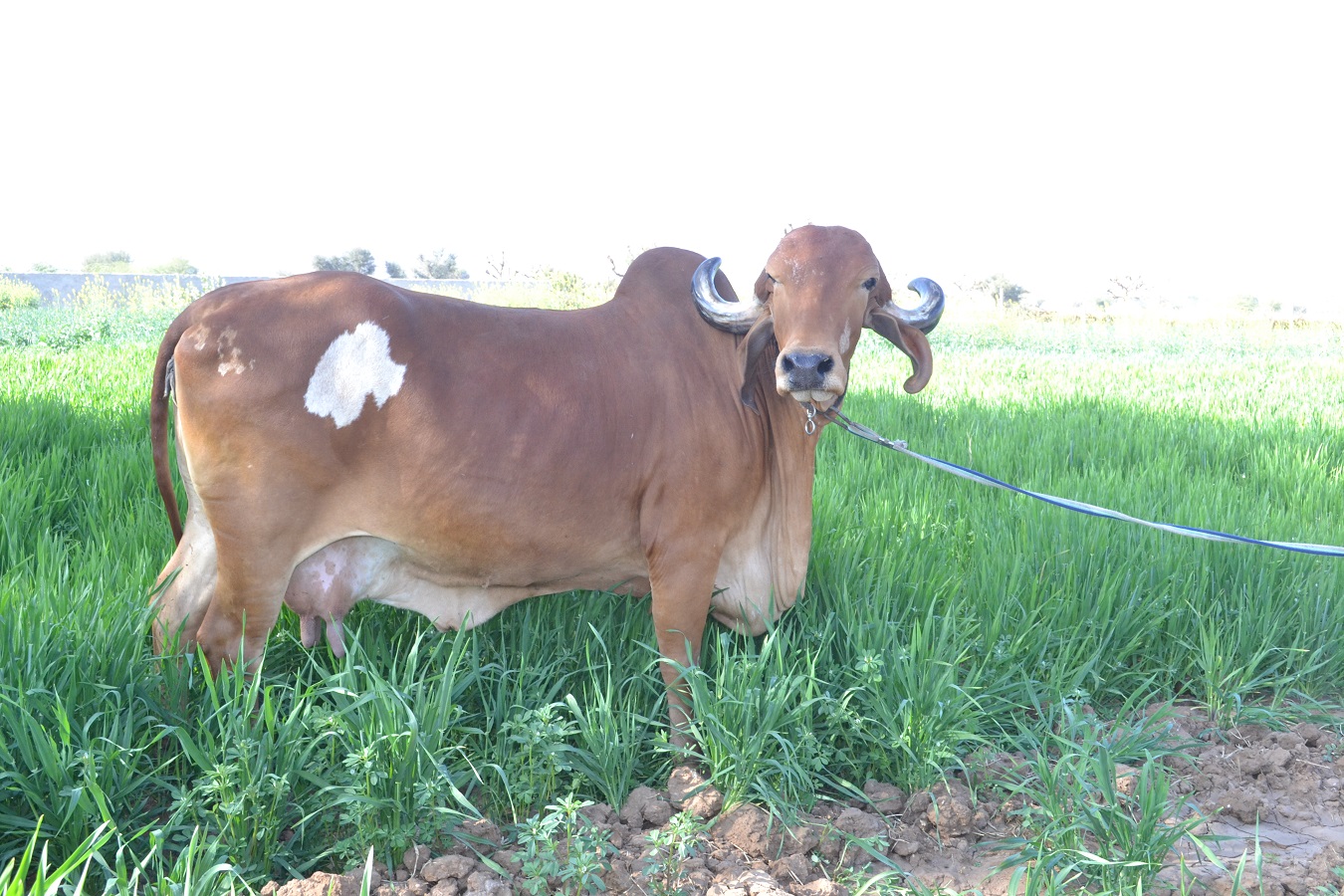
Gujarat is estimated to have only around 3,000 pure-breed Gir cows left, according to Satyajit Khachar, scion of the erstwhile princely state of Jasdan and a known Gir breeder.
"Brazil has emerged as the world's biggest supplier of improved cattle embryos and semen of Indian origin, now rated among the best dairy breeds in the world. The demand is particularly high from African and Southeast Asian countries. The Indian holy cow has turned out to be a great money-spinner for Brazil," says Khachar.
According to him, the focus of Gujarat's dairy industry on buffalo milk for its fat content meant the Gir was neglected — the breed's numbers and pedigree dwindled. Recently, two containers of embryos were flown to Brazil to refresh that country's herd, developed in a Bhavnagar lab funded at Rs 2 crore by Brazilian breeders.
Brazilian farmers first shipped three Indian breeds — Gir and Kankrej from Gujarat, and Ongole from Andhra Pradesh — in 1850. They were intended for agriculture and beef, but the Gir's prodigious milk yield was quickly recognised. Pedigreed Gir cows in Brazil get the Pure Origin India tag, with each animal's pedigree and DNA registered with the Association of Brazilian Zebu Breeders.
Visit the farm. Or just say hello.
Looking to buy a cow, plan a dairy, or just discuss A2 milk? We'd love to hear from you.