
Hike in awareness of A2 milk ignores good-quality breeding of cows
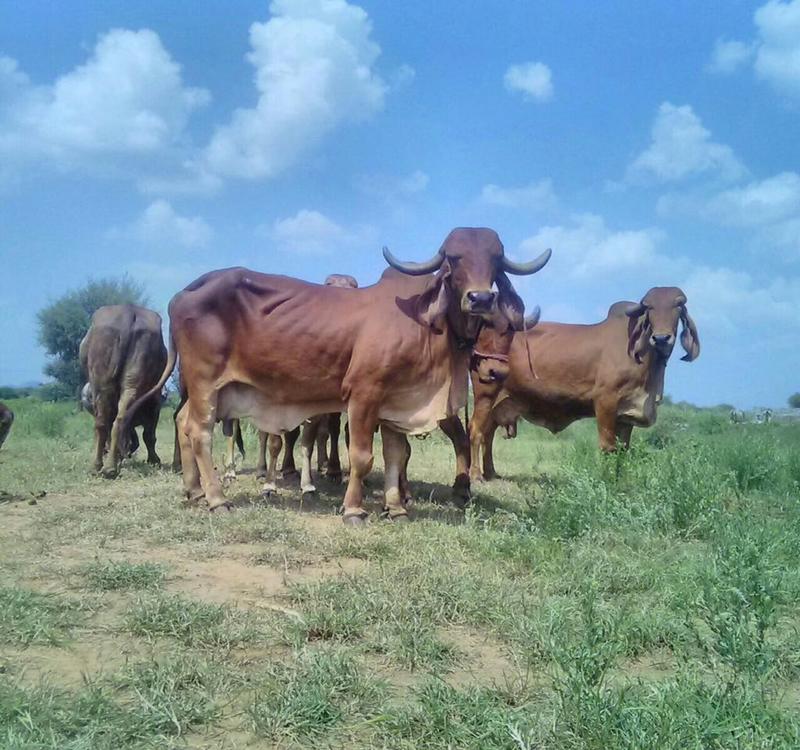
India is the largest milk producer in the world, with annual output of around 150 million tonnes. Yet more than 95% of the milk produced by industrial farms in India is A1 milk from regular hybrid cows. Recently there has been a real surge in consumer interest in A2 milk thanks to its perceived health benefits — but very little of the conversation has focused on the actual breed of cow producing the milk.
A2 milk is naturally produced by the older, indigenous Indian breeds — Gir, Sahiwal, Tharparkar, Red Sindhi, Kankrej and others. These animals have evolved alongside the Indian climate and diet for thousands of years. Yet the dairy industry, chasing volume and fat percentage, has steadily moved towards crossbreeding with Holstein-Friesian and Jersey, both of which produce A1 milk.
Genuine A2 milk requires more than a label. It requires the right breed, raised in the right way: organic green fodder, traditional shed design, freedom to graze, and breeding programmes that protect rather than dilute the genetic line. At Aravali Gir Cow Breeding Farm, we have spent more than two decades doing exactly that — protecting the Gir's genetics and steadily improving yield without compromising what makes the breed special.
The result is a herd of 200+ Gir cows producing A2 milk at organized-farm yields of 3,500 to 5,500 litres per lactation — without ever crossing the line into hybrid territory.